★★★★☆4.6(280 reviews)
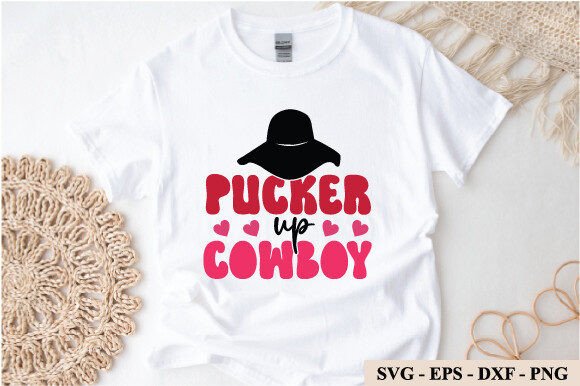
Pucker Up Cowboy Retro SVG Design: A Designer’s Practical Take
Real-World Performance in Embroidery Projects
For sweatshirt embroidery, the design performed admirably. The bold outlines translated cleanly into satin stitch, while the inner details used a mix of fill stitch and running stitch to keep the overall weight balanced. This helped prevent distortion and ensured the design looked sharp after washing. On tote bags, especially those made from cotton canvas, the design held up well. The stitch density was just right—not too tight, so it didn’t pucker, but enough to maintain clarity. However, I did notice that on thinner or stretchier fabrics, some of the finer lines could lose definition. Always check fabric texture before finalizing your project. As an embroidered patch, the design felt more substantial. The layered elements allowed for depth, and the high-resolution PNG file made it simple to trace the design for heat-applied or sew-on patches. But when using it on curved surfaces like caps or hats, some adjustments may be needed to ensure alignment and fit.Where to Use With Caution
- Small hoop sizes: The design is detailed enough that scaling it down could compromise clarity. Test on scrap fabric first.
- Textured or stretchy fabrics: These can cause the stitches to shift or distort, especially in the fine line areas.
- Dark fabric backgrounds: Thread color contrast becomes critical here. You might need to adjust colors to ensure visibility.
- Products needing frequent washing: Dense stitch areas may lead to stiffness over time. Consider using lighter stabilizer or reducing stitch density slightly.
Visual Appeal and Project Value
As a handmade product, it enhances the perceived value. People gravitate toward unique, well-executed designs, and this one definitely delivers. For personalized gifts or holiday embroidery, the design’s warm aesthetic fits perfectly. It could even work subtly as part of nursery decor or kitchen towels with a Western twist.Designer Notes and Best Practices
- Test on scrap fabric: Especially if you plan to scale it or change thread colors.
- Review stitch density: Too dense can lead to puckering, too loose and details may get lost.
- Confirm hoop size: Though the exact recommendation isn’t listed, I’d suggest starting with a medium-sized hoop and adjusting based on test results.
- Inspect small details: The design includes subtle elements that might require manual tweaking for optimal results.
- Use proper stabilizer: Backing and tear-away stabilizers will help maintain the integrity of the design, especially on thin or stretchy materials.
- Check licensing before selling: Since the product description doesn’t specify, always verify whether the design allows for commercial use or resale of the finished goods.
Commercial Use and Licensing
If you're planning to use this in a commercial embroidery setting or sell it as part of a digital product, take extra care. The file formats provided (SVG, DXF, PNG, EPS) are all useful, but they don’t automatically mean the design is licensed for resale. Always double-check the terms of use before offering it as part of your craft business or design assets.Final Thoughts for Creative Makers
The Pucker Up Cowboy Retro SVG Design is more than just a pretty graphic—it's a functional and expressive tool for embroidery designers. It brings a distinct visual flair that works well in a range of T-shirt designs and Graphics for both personal and commercial embroidery projects.
⬇️ Download Free
Free download · No sign-up required
🔗 You Might Also Like
T-Shirt Designs
First Impressions and Design Personality When I unzipped the Cowboy UFO Western ...
T-Shirt Designs
When I first opened Dibs on Cowboy Retro SVG , I was struck by the charm and cha...
T-Shirt Designs
As an experienced embroidery designer and product reviewer, I always approach a ...
T-Shirt Designs
When I first opened the Cowgirl Up Cowboy Hat SVG digital design, I was immediat...
T-Shirt Designs
Embroidery designs can make or break a handmade product. As someone who regularl...
